Best wedding flowers suppliers in Somerstown NW1
Posted on 10/10/2026
Planning wedding flowers can feel simple at first, then suddenly there are five bouquet styles, three colour palettes, two delivery timings, and a growing worry that the centrepieces might not survive the morning rush. If you are searching for the best wedding flowers suppliers in Somerstown NW1, you are probably trying to balance style, reliability, and value without losing your mind halfway through the planning. Fair enough. That is exactly where a good local florist makes life easier.
In a place like Somerstown, where wedding plans often need to work around London logistics, venue timings, and the reality of busy streets, the right floral supplier is not just someone who sells roses. They help shape the feel of the day, keep arrangements cohesive, and make sure everything arrives fresh, on time, and looking like it belongs in the room. This guide walks through what to look for, how wedding flower ordering actually works, and how to choose confidently, whether you want classic white roses or something softer, brighter, and a little more personal.
One small truth from experience: wedding flowers are one of those details people remember more than they expect. Guests notice the bouquet in photos, the buttonholes during speeches, the table arrangements during dinner, and the whole atmosphere as they walk in. So yes, the supplier matters. Quite a lot.
- Why wedding flowers matter in Somerstown NW1
- How the ordering process works
- Key benefits of choosing well
- Who this is for
- Step-by-step planning guidance
- Expert tips for better results
- Common mistakes to avoid
- Tools, resources and recommendations
- Law, compliance, standards and best practice
- Options and comparison
- Real-world example
- Practical checklist
- Conclusion
- Frequently asked questions
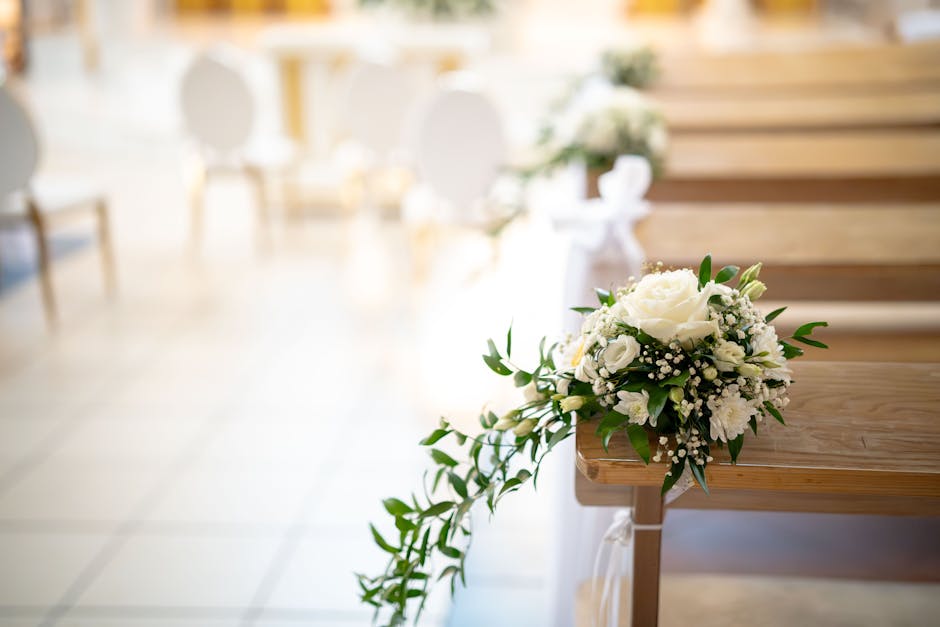
Why Best wedding flowers suppliers in Somerstown NW1 Matters
Wedding flowers do more than decorate a venue. They set the tone for the whole day. A carefully chosen bouquet can make a simple dress feel elevated. The right table flowers can soften a modern room. A good buttonhole can quietly tie the wedding party together without looking overdone. In short, flowers are not just "nice to have"; they are part of the visual language of the wedding.
That matters even more when you are planning locally. Somerstown NW1 sits in a part of London where timings can be tight and venues may have specific load-in rules, limited holding space, or no room for last-minute chaos. So choosing a supplier with clear communication and solid delivery habits is a practical decision, not just an aesthetic one.
If you are comparing options, the best suppliers usually do three things well: they listen properly, they understand scale, and they make the finished result feel intentional. They should be able to tell you what works for a ceremony, what survives well in warm rooms, and what makes sense for your budget. That combination is the difference between flowers that look "fine" and flowers that make the room feel finished.
There is also the emotional side. Wedding planning can be full of compromise, and flowers are often one of the few areas where couples can create a strong personal signature. Maybe you want a romantic palette of whites and blush. Maybe you prefer bold seasonal colour. Or maybe you just want something elegant and low-fuss that won't overshadow everything else. Good suppliers help you get there without forcing a style that does not feel like you.
How Best wedding flowers suppliers in Somerstown NW1 Works
Most wedding flower orders follow a fairly predictable path, although the detail varies by florist and package. At a basic level, the process starts with a consultation, moves into design choices, then ends with production and delivery. Sounds straightforward. In practice, the quality comes from what happens in between.
First, you discuss the wedding date, venue, guest count, colour palette, and the key floral items you need. This might include a bridal bouquet, bridesmaid bouquets, buttonholes, ceremony flowers, reception centrepieces, and perhaps a few extra touches like petals or a top table arrangement. Some couples want a full floral story across the day; others just want the handful of pieces that matter most. Both approaches work.
Then the supplier should help refine your choices. This is where local experience matters. Seasonal availability, stem strength, transport, and flower condition all affect what is realistic. For example, some flowers are lovely in photographs but can be more delicate in warmer rooms, while others are sturdy, elegant, and surprisingly versatile. A strong florist will explain those trade-offs plainly, not bury them in jargon.
Many couples also use a florist's wedding collection or curated range as a starting point. That can be especially useful if you want a coherent look without building everything from scratch. A collection such as the wedding flowers range can help you compare bridal, bridesmaid, buttonhole, and table options in one place, which honestly saves a lot of back-and-forth.
After the design is agreed, the supplier should confirm timings, quantities, and delivery expectations. If the venue has access restrictions, that needs to be factored in early. If the flowers need to be ready for a morning ceremony, the florist needs enough preparation time. And if you are ordering a mix of statement pieces and simpler arrangements, the order should be balanced so the overall result feels polished rather than patchy.
On the day itself, good execution looks calm. Flowers arrive in good condition, are handled carefully, and are placed where they need to be without fuss. You may not notice the process if it is done well. That is the point, really.
Key Benefits and Practical Advantages
Choosing a strong wedding flower supplier in Somerstown NW1 is about more than pretty arrangements. It gives you confidence that one of the most visible parts of the day is under control. And that relief, before the ceremony even starts, is worth something.
Key benefits include:
- Consistency across the day - bouquets, buttonholes, and table flowers can all feel coordinated rather than pieced together.
- Less stress - a supplier who understands wedding flow can remove a surprising amount of last-minute worry.
- Better use of budget - experienced florists can suggest where to spend and where to simplify.
- Freshness and timing control - especially important for London deliveries and venue handovers.
- Stronger visual impact - when flowers are planned well, photographs tend to look cleaner and more refined.
- Practical advice - from flower care to transport, a good supplier helps the arrangements last the day.
There is also a quieter benefit: flowers can act as a bridge between different parts of a wedding. They can connect the ceremony to the reception, the bridal look to the table styling, and the personal taste of the couple to the venue itself. That is why the best suppliers think in terms of the whole experience, not just individual bunches.
To be fair, not every wedding needs extravagant arrangements. Sometimes a few carefully chosen stems, a restrained palette, and one standout bouquet create a more memorable result than lots of flowers competing for attention. Less can be more. Not always, but often enough that it is worth considering.
Who This Is For and When It Makes Sense
This guide is for couples, planners, family members, and anyone helping coordinate a wedding in or around Somerstown NW1. It is especially useful if you are in one of these situations:
- You want local delivery and a supplier who understands London timing.
- You are comparing wedding florists and do not want to rely on glossy photos alone.
- You have a clear colour theme and need help translating it into flowers.
- You are planning on a budget and want to prioritise the right pieces.
- You need a fast solution but still want the result to look intentional.
- You are coordinating a small, intimate wedding and want simple but elegant arrangements.
It also makes sense if you are planning a larger wedding and need a supplier who can handle more than one style of arrangement at once. For example, a bridal bouquet might need to match both bridesmaid bouquets and table arrangements, while buttonholes and corsages still need to sit neatly within the overall palette. That sounds obvious, but it is where a lot of rushed orders fall apart.
If you are the person managing flowers for a parent, sibling, or friend, the advice is similar: focus on reliability first, then design. A lovely concept is no good if it arrives late or does not survive the day.
Step-by-Step Guidance
Here is a practical way to approach wedding flower planning without overcomplicating it.
- Start with the venue and date. Confirm ceremony time, access details, and whether flowers will be moved between locations.
- List the essentials. At minimum, most couples need a bridal bouquet, buttonholes, and flowers for the ceremony or reception.
- Choose your style direction. Think classic, romantic, modern, seasonal, or loosely natural. You do not need a perfect label, just a feel.
- Set a priority order. Decide what matters most: bouquet impact, table styling, or full venue dressing.
- Check seasonal flexibility. Ask what flowers are likely to be freshest and most reliable for your date.
- Review delivery and setup details. Clarify who places which items, when they arrive, and how they are handled.
- Confirm substitutions in advance. If a bloom is unavailable, make sure you know the backup approach.
- Finalise quantities a little earlier than you think. Last-minute changes are where things get messy. Realistically, they always do.
One useful trick is to group flowers by function, not just by type. For example: bouquet flowers, wearable flowers, ceremony flowers, table flowers, and gift flowers. That makes it easier to see whether you are overspending on one area while neglecting another.
If you want a streamlined route, begin with a focused product or collection page such as bridal bouquet options and build outward from there. It is a simple way to anchor the rest of the order.
Expert Tips for Better Results
Good wedding flower planning is a mix of taste and practicality. The best results usually come from a few smart decisions rather than a huge budget.
1. Let the venue guide the style
A bright, airy room and a darker, more traditional space need different floral treatment. In a minimalist venue, a single strong palette can look sharp and modern. In a more ornate room, flowers often work better when they soften the edges instead of competing with the decor.
2. Choose a main flower, then support it
Many wedding designs work best when there is one clear lead flower and a supporting mix around it. Roses, lilies, orchids, and lisianthus are often used in this way because they sit well in arrangements and photograph cleanly. That does not mean they are the only options, just reliable ones.
3. Think about movement and handling
Bouquets are carried, buttonholes are worn, and table flowers may be moved for speeches or meal service. So structure matters. A florist who knows weddings will design with handling in mind, not just the first photo.
4. Use colour with restraint
Too many competing shades can make a wedding feel visually noisy. If you love colour, keep a core palette and let one or two accent tones do the work. A little discipline goes a long way. Bit of a boring word, perhaps, but very useful.
5. Ask for care instructions
Even the best arrangements need a bit of attention. A florist should tell you how to store bouquets, when to recut stems if needed, and how to keep arrangements fresh on the day.
If you are exploring a wider range of arrangements for the full event, it may help to look at table flower options alongside wedding collections, so everything feels connected rather than selected in isolation.
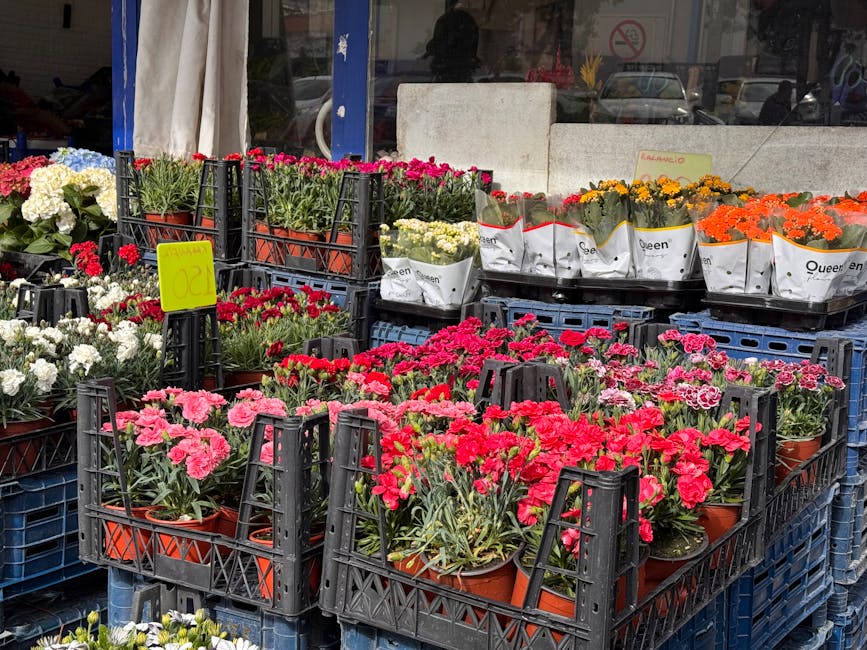
Common Mistakes to Avoid
A lot of wedding flower regret comes from the same few problems. The good news is that they are avoidable if you spot them early.
- Ordering too late. Good wedding florists can get busy, especially in peak season.
- Choosing only from photos. A picture is useful, but you also need to ask about freshness, delivery, and structure.
- Ignoring venue logistics. Some beautiful designs are simply awkward if the venue has limited access or no storage.
- Overcomplicating the brief. If every item has a different mood, the day can feel visually fragmented.
- Underestimating the importance of buttonholes and smaller pieces. They are small, yes, but they help the whole look feel complete.
- Not asking about substitutions. Seasonal flowers change. That is normal. What matters is how the florist handles it.
- Forgetting transport and handover details. Someone needs to know who receives what, where, and when.
The biggest mistake, truth be told, is assuming all florists manage weddings the same way. They do not. Some are great at quick everyday bouquets but less strong on event planning. Others are excellent wedding operators, calm under pressure, and very clear about what is realistic. You want the latter.
Tools, Resources and Recommendations
You do not need a complicated toolkit to plan wedding flowers, but a few practical resources make the process smoother.
- Venue notes - access times, room dimensions, table layout, and ceremony positions.
- Colour references - fabric swatches, invitation artwork, or even a few phone photos from the venue.
- Guest list estimate - useful for deciding how many buttonholes, corsages, or table arrangements you need.
- Budget split - a rough breakdown of what is for bouquet, venue, and wearable flowers.
- Flower care guidance - handy if arrangements are being collected or stored before the ceremony.
For couples who want to explore flower types before choosing the final scheme, a simple browse through a florist's seasonal and style-led pages can help. You might compare classic choices like roses with softer mixed looks such as lisianthus and anemone arrangements. That kind of side-by-side thinking is useful, because it shows what fits your theme rather than just what looks nice in isolation.
It is also sensible to check practical policies before you commit. A florist's delivery information, flower care guidance, and guarantees can tell you a lot about how the business handles expectations. That is the boring bit, perhaps, but the boring bit is often what saves the day.
Law, Compliance, Standards, or Best Practice
Wedding flowers are not heavily regulated in the way some other services are, but there are still sensible best-practice points to keep in mind. In the UK, a trustworthy florist should be clear about trading terms, delivery expectations, payment conditions, and what happens if an item cannot be supplied exactly as pictured.
For customers, the main thing is clarity. Make sure you understand what is included in the order, whether substitutions are allowed, and whether setup or placement is part of the service. If you are ordering for a venue, confirm any rules the venue has about access, timing, or moving items after the ceremony. This is less about legal complexity and more about avoiding awkward surprises on the day.
It is also wise to look at broader business standards such as transparency, accessibility, and sustainability. A florist's public information pages can help here. For example, a company that clearly explains its terms and conditions, sustainability approach, and accessibility statement is usually giving you a better sense of how it operates. None of that guarantees the perfect bouquet, obviously, but it does build trust.
For wedding work specifically, best practice usually means careful stem conditioning, sensible packaging, accurate labelling, and conservative timing for delivery. Flowers are living materials. They need handling, not just transport. Small detail, big effect.
Options, Methods, or Comparison Table
Different couples need different approaches. There is no single "right" package, so it helps to compare the main methods before deciding. The table below gives a practical overview.
| Approach | Best for | Strengths | Trade-offs |
|---|---|---|---|
| Curated wedding collection | Couples who want a cohesive look fast | Simple to choose, coordinated styling, less planning time | Less flexibility than fully bespoke designs |
| Fully bespoke design | Couples with a very specific vision | Highly personal, tailored to venue and palette | Usually needs more discussion and more lead time |
| Essential-only order | Smaller weddings or tighter budgets | Cost-effective, focused on high-impact items | Less visual coverage across the venue |
| Mixed approach | Most practical wedding setups | Balances impact and budget, lets you prioritise key pieces | Needs clearer planning so the result still feels unified |
If you are unsure where to start, a mixed approach is often the easiest route. Use one strong statement piece, like a bridal bouquet, then support it with simpler matching arrangements. That keeps the design elegant without chasing perfection in every corner.
For couples browsing product styles, a collection page such as a wedding collection like I Cherish You can be a useful reference point. It gives you a sense of tone, scale, and cohesion before you decide what needs tweaking.
Case Study or Real-World Example
Imagine a couple planning a small London wedding near Somerstown. They want something elegant but not overblown, with a ceremony in the morning and lunch reception after. The venue has a clear indoor space, but access is tight and setup time is limited. Very London, very familiar.
Instead of trying to cover everything, they choose a focused floral plan: one bridal bouquet, two bridesmaid bouquets, a set of buttonholes, and a few table arrangements for the reception. They choose a soft palette with white and pale blush tones, using flowers that hold structure well and look refined in daylight. Nothing extravagant. Just calm, considered, and quite lovely.
What made the difference was not just the flowers themselves, but the planning. The florist confirmed delivery timing early, suggested practical substitutions for any delicate stems, and helped keep the overall design consistent across all items. The couple avoided the classic mistake of splitting their budget too thinly, so the most visible pieces had enough impact to carry the rest of the styling.
The most successful wedding flower plans are usually the ones that feel easy on the day. If there is no scrambling, no confusion, and no last-minute "where does this go?" moment, you are already winning.
That is the real value of a good supplier. Not drama. Not floral theatre for its own sake. Just the steady confidence that everything will look right when it matters most.
Practical Checklist
Use this checklist to keep your wedding flower planning grounded and realistic.
- Confirm your wedding date and venue timing.
- List the essential flower items you need.
- Decide on a general style: classic, romantic, modern, seasonal, or natural.
- Choose a colour palette and keep it consistent.
- Ask which flowers are best for your date and season.
- Check whether you need delivery only or delivery plus setup.
- Confirm who receives the flowers and where.
- Ask about substitutions and what happens if stems are unavailable.
- Review care instructions for bouquets and arrangements.
- Make sure your order reflects your actual budget, not just the dream version of it.
- Keep a backup contact number for the florist on the day.
- Leave a little breathing room for final adjustments. Weddings rarely run like clockwork, and that is okay.
If you can tick all of those off, you are in a strong position. Not perfect, perhaps. But strong, and that is what you really want.
Conclusion
Finding the best wedding flowers suppliers in Somerstown NW1 is really about finding a florist who understands your day, your venue, and your priorities. The best choice will not only create beautiful arrangements, but also keep the process calm, clear, and practical from first enquiry to final delivery.
Start with the essentials. Think about the atmosphere you want, the flowers that suit the season, and the level of support you need on the day. Then compare suppliers on more than just appearance. Look at clarity, reliability, flexibility, and whether they help you make sensible decisions instead of pushing unnecessary extras.
When all is said and done, the right wedding flowers should feel like they were always meant to be there. Effortless, but not accidental. And that little bit of calm on a busy wedding morning? It matters more than people think.
Get a free quote today and see how much you can save.
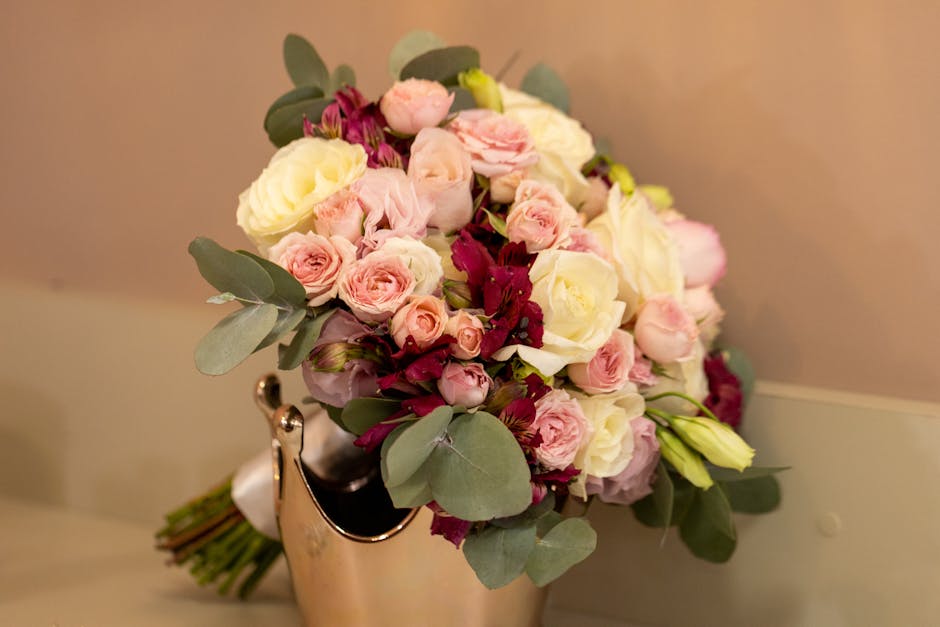
Frequently Asked Questions
What should I look for in wedding flower suppliers in Somerstown NW1?
Look for clear communication, strong wedding-specific experience, reliable delivery, and a style that fits your venue and budget. A good supplier should help you make practical choices, not just sell you the prettiest stems.
How far in advance should I book wedding flowers?
As early as you reasonably can, especially for peak wedding seasons. Booking earlier gives you more choice, more time to refine the design, and less pressure if you need to adjust the order later.
Can I order wedding flowers on a tighter budget?
Yes. A smaller budget can still work well if you prioritise the most visible items, such as the bridal bouquet, buttonholes, and a few key arrangements. Focus on impact rather than trying to decorate every surface.
What flowers are best for a wedding bouquet?
That depends on the style and season, but roses, lilies, orchids, lisianthus, and mixed seasonal flowers are all common choices. The best bouquet flowers are the ones that suit your dress, venue, and how you want the day to feel.
Are wedding flowers delivered in Somerstown NW1?
Many local florists offer delivery in the area. It is sensible to confirm timing, handover details, and any venue access restrictions early so the flowers arrive exactly when they are needed.
What is the difference between bespoke and collection wedding flowers?
Bespoke flowers are designed around your exact brief, while a collection gives you a ready-made style or framework to choose from. Collections are quicker and simpler; bespoke designs are more personalised.
How do I make sure my flowers match the wedding theme?
Share your colour palette, venue photos, dress details, and any reference images you have. A florist can then translate the mood into flowers that look cohesive rather than pasted together from different ideas.
Do I need table flowers as well as the bouquet?
Not always, but table flowers help the whole room feel finished. If budget is limited, you can keep reception flowers simple and put more emphasis on the bouquet and ceremony pieces.
What happens if a flower I want is unavailable?
Seasonal changes and supply issues can happen. A professional florist should suggest a suitable substitute that preserves the shape, colour, and overall feel of the design. That is normal, not a disaster.
Can a florist help with buttonholes and corsages too?
Yes, and they usually should. Smaller wearable flowers help the wedding party look coordinated, especially in photos and close-up moments like the ceremony and speeches.
Should I choose flowers based on season?
Yes, where possible. Seasonal flowers are often fresher, more reliable, and easier to source in the style you want. You may still get out-of-season blooms, but the plan is usually smoother when you work with the season instead of against it.
How do I know if a florist is reliable for wedding work?
Check whether they explain timings clearly, discuss substitutions sensibly, and provide practical delivery information. A reliable wedding florist sounds organised, calm, and specific. If the answers feel vague, that is worth paying attention to.
What is the best next step if I am still undecided?
Make a short shortlist, compare collections or bouquet styles, and ask each supplier how they would approach your venue and budget. Even a quick conversation can tell you a lot. Sometimes you just know, and sometimes you need one more nudge. That is fine.